ASI Construction has priced roofing projects across Burr Ridge, Naperville, Hinsdale, and the wider Chicago suburbs long enough to know the first question every homeowner asks: What is this actually going to cost? In 2026, a full roof replacement in the Chicagoland area typically runs between $9,800 and $49,600, depending on home size and material. That is a wide range, and the rest of this guide breaks down exactly where your project falls within it, what moves the number up or down, and how to pay for it without draining your savings account.
A roof is one of the largest single expenses tied to owning a home, and it is also one of the few home systems where the price of waiting keeps climbing. Understanding the real numbers behind a 2026 quote, rather than guessing at a range from an old estimate or a neighbor’s project, puts you in a stronger position to make a decision that fits your budget and your timeline.
2026 Roof Replacement Cost by Home Size and Material
Roofing is priced by the square, a roofing term for 100 square feet of roof surface. A 2,200-square-foot home typically has 20 to 24 squares of actual roof area once pitch and overhangs are factored in. The table below shows typical 2026 installed pricing ranges by home size and material.
| Home Size | Roof Area (approx.) | Asphalt Shingles | Metal | Brava Synthetic |
| 1,500–1,800 sq ft | 14–18 squares | $9,800–$13,400 | $16,200–$22,900 | $17,500–$24,800 |
| 1,900–2,300 sq ft | 18–23 squares | $12,600–$17,300 | $20,800–$29,400 | $22,500–$31,900 |
| 2,400–2,800 sq ft | 23–28 squares | $16,100–$22,100 | $26,600–$37,600 | $28,800–$40,800 |
| 2,900–3,500 sq ft | 28–34 squares | $19,600–$26,900 | $32,400–$45,700 | $35,000–$49,600 |
On a per-square-foot basis, asphalt shingle roofs generally land between $6.50 and $8.50, metal between $11 and $16, and Brava® synthetic between $12.50 and $17.50. A written, line-item estimate is the only way to know where your specific home falls, since pitch, layers, and decking condition all shift the final number.
Why Roof Replacement Quotes Vary So Much Between Contractors
Two contractors can measure the same roof and hand you numbers thousands of dollars apart. The gap usually comes down to what is included, not who is cheaper. A lower bid may skip new flashing, ice-and-water shield, or proper ventilation upgrades, while a detailed estimate itemizes decking repairs, disposal fees, and permit costs up front. Manufacturer credentials also factor in: an Owens Corning® Platinum / Preferred Contractor pays for training and warranty backing that a smaller outfit may not carry, and that cost shows up in the quote.

Crew experience and insurance coverage matter too. A contractor carrying full liability and workers’ compensation insurance builds that cost into their pricing, while an uninsured crew offering a lower price shifts that risk onto you if someone is hurt on your property. Comparing quotes line by line, rather than by the bottom number alone, is the only way to know what you are actually paying for.
What Drives Your Final Roofing Cost Up or Down
Beyond size and material, several project-specific factors change the final price. Understanding these before you request an estimate helps you read a quote accurately instead of guessing at where the number came from.
Roof Pitch
A steep roof takes longer to work on safely and requires more fall protection, which adds labor cost. A low-slope ranch and a steep two-story colonial with identical square footage can differ by several thousand dollars for this reason alone. Roofs with multiple valleys, dormers, or chimneys also take longer to flash correctly, which adds labor time beyond what the square footage alone suggests.
Layers of Existing Shingles
Removing one layer of old shingles is standard. Removing two or three layers, which is common on older homes that were re-roofed over an existing layer in the past, adds tear-off labor and disposal weight, both of which raise the price. The Illinois building code generally limits how many layers a home can carry before a full tear-off is required, so a home with an existing second layer will need one either way.
Decking Damage
Decking issues are not visible from the ground. Once the old roof comes off, rotted or soft plywood needs to be replaced before new material goes down. This is one of the most common sources of a final bill that differs from the original estimate, which is why a written estimate should state a per-sheet decking rate up front, so this is a known cost rather than a surprise.
Material Choice
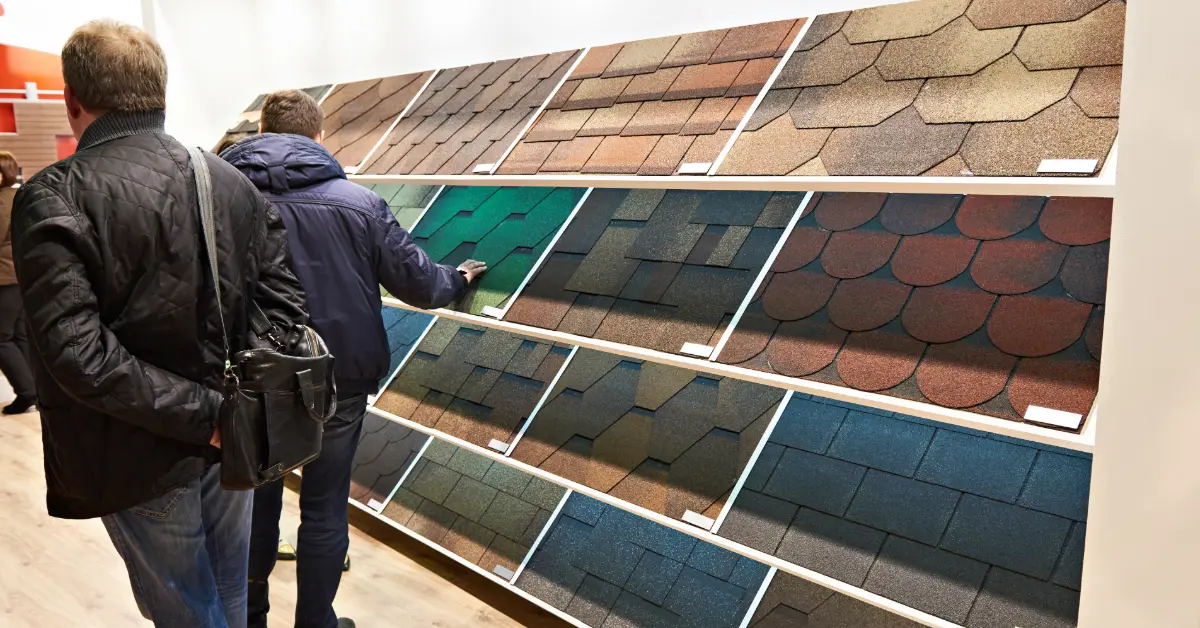
Asphalt shingles remain the most budget-friendly option, while metal and Brava® synthetic cost more upfront but come with longer warranties and lower long-term maintenance, which is covered in more detail below. Ventilation upgrades, such as added ridge vents or attic baffles, are sometimes recommended during tear-off and can add a modest line item, but they help the new roof and the shingle warranty perform as intended.
Understanding the Roofing Square
Every roof estimate is built on the same unit: the square, equal to 100 square feet of roof surface. Your home’s living-space square footage is not the same number as your roof’s square footage, because roof area accounts for pitch and any overhangs. A single-story ranch with a steep roof can require more material than a two-story home with a shallow slope and the same footprint. When you get a written estimate, the contractor measures each slope individually, so the square count reflects your actual roof rather than a rough estimate based on your home’s listed size.
Asphalt, Metal, and Synthetic: What Each Material Is Worth Long-Term
Material choice affects more than the upfront number. It also determines your warranty length, your maintenance costs over the life of the roof, and what a future buyer sees when your home goes on the market.
Asphalt Shingles
Asphalt remains the most common choice in Chicagoland because it balances upfront cost with solid performance in freeze-thaw conditions. Owens Corning architectural shingles typically carry warranties in the 25- to 50-year range, depending on the product line, with a non-prorated 50-year warranty available on qualifying installations.
Metal and Brava Synthetic
Metal and Brava synthetic roofing costs more to install but requires little upkeep and can outlast two or three asphalt roof cycles. A Brava authorized installer can also offer extended coverage on the synthetic product line. At resale, a documented warranty that transfers to the next owner is a selling point buyers specifically ask about, since it removes the roof as a negotiation issue during inspection.
Can You Finance a Roof Replacement?
Yes. Financing turns a high one-time cost into a predictable monthly payment, which is how most Chicagoland homeowners handle a roof replacement without pulling from savings or a home equity line. ASI Construction works with Improvifi to offer payment plans built around your project size and preferred term.
A Real Payment Example
A $17,300 asphalt shingle roof financed over 24 months through Improvifi runs roughly $720 to $780 a month, depending on approval terms and APR. Longer terms lower the monthly payment further. This is affordable roofing done with real numbers and a named partner, not a vague promise. Approval factors typically include credit history and project size, and your contractor can walk you through the application before any work begins.
Making a Roof More Affordable Without Cutting Corners
Spreading the cost through financing is the most direct option, but a few other choices affect the total price without lowering the quality of the work. Scheduling during a contractor’s slower months can open up better crew availability. Choosing a mid-tier architectural shingle instead of a premium designer line keeps the same warranty tier while lowering material cost. Bundling a roof replacement with gutter work in the same visit can also reduce combined labor setup costs compared to two separate projects. What should not be cut is the underlayment, flashing, or ventilation package, since skipping these is what turns a lower quote into a leak a few years later.
Does Homeowners Insurance Cover Roof Replacement?

Insurance coverage is dependent on the cause of damage. Storm, hail, and wind damage are commonly covered, while a roof that failed from age or lack of maintenance typically is not. If your roof is being replaced due to a covered event, document the damage, file it with your insurer, then schedule the repair in that order. A contractor can provide the photos and measurements your adjuster needs, but cannot guarantee what your policy will pay.
When a claim is approved, your out-of-pocket cost is typically limited to your deductible, with the insurer covering the remainder based on your policy’s depreciation terms. Replacement-cost policies pay out closer to the full 2026 price range shown above, while actual-cash-value policies factor in the roof’s age and may leave a larger gap for you to cover. Reading your policy’s roof-specific language before a storm hits puts you in a stronger position when a claim does come up.
Repair or Replace: How to Decide
Not every roof issue calls for a full replacement. A single leak, a handful of missing shingles, or isolated flashing damage is often a repair, while widespread granule loss, multiple leak points, or a roof at the end of its expected life usually points to replacement. As a rough guide, if a repair would cost more than 30 to 40 percent of a full replacement, or if your roof already has more than one active issue, replacement is usually the better long-term value.
Homes built in the 1990s and 2000s across Chicagoland are now 20 to 30 years old, which is close to or past the service life of a standard asphalt roof, making replacement the more cost-effective choice even if a repair could patch the immediate problem for another season. Waiting past that point raises the odds that a small leak turns into decking damage, which adds cost to the eventual replacement anyway. For a full breakdown of how to weigh the decision, see our repair-or-replace decision guide.
What a Fair Estimate Should Include
A fair 2026 estimate is written and itemized, not a verbal number given on the driveway. It should list material cost, labor, tear-off and disposal, decking rate per sheet, permit fees, and warranty terms separately, so you can see exactly what you are paying for and compare it against another contractor’s quote on the same basis. Watch for costs that tend to appear after the estimate is signed: decking replacement priced as a surprise rather than a stated rate, permit fees added later, and disposal charges left off entirely. Asking each contractor for the same itemized breakdown is the most direct way to compare quotes apples-to-apples.
Permits and Municipal Requirements
Most Chicagoland suburbs require a building permit for a full roof replacement, and the fee varies by municipality, home value, and project scope. A written estimate should state whether the permit fee is included in the total price or billed separately, since this is a common gap between a low bid and a full-service quote. Homes with additional structures like a detached garage roof, a chimney requiring re-flashing, or a skylight replacement may also need extra line items or a separate inspection, so it helps to walk the roof with your contractor and confirm what is and is not included before signing.
Is There a Better Time of Year to Replace Your Roof?
Late spring into early fall is the busiest season for Chicagoland roofing crews, which can mean longer scheduling windows. Late fall and winter often have more open scheduling, and material pricing does not typically shift by season. Timing your project around contractor availability, rather than waiting for a seasonal discount that generally does not exist, is the more useful strategy.
Cold-weather installation is common in this region and, when handled by an experienced crew, does not compromise the quality of the work. Asphalt shingles need to be installed within a specific temperature range to seal properly, so a contractor working through the winter months should be using proper sealing techniques and hand-sealing shingles where needed. If your roof is already showing signs of failure, scheduling the replacement as soon as a crew is available is generally the better financial move, since a roof that fails mid-winter can lead to interior water damage that costs far more than the roof itself.
Get a Written, Line-Item Roof Estimate
No guessing, no pressure. ASI Construction measures your roof, photographs every slope, and checks attic ventilation, then sends a detailed written estimate within 48 hours. You decide what to do next. ASI Construction is an Owens Corning Platinum / Preferred Contractor and a Brava® authorized installer, Illinois licensed and insured, with 1,000-plus projects completed and a 4.9-plus rating across 450-plus reviews.